
Black Caddis Hatch on the Toccoa River: February Fly Fishing in North Georgia
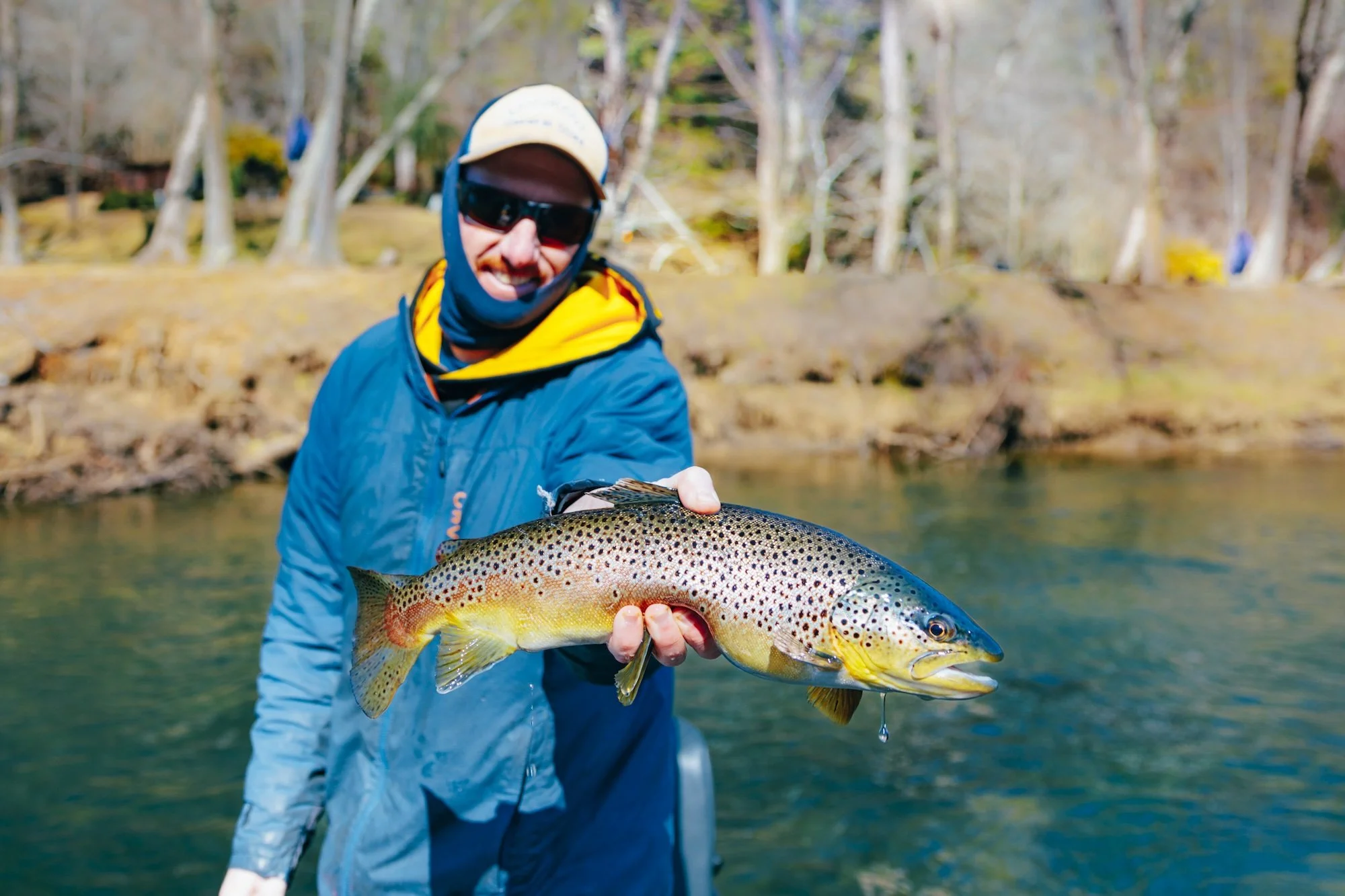
Every February, I start paying close attention to two things on the Toccoa River — warmer weather and water temperature.
When the weather starts to warm up and the water temperature climbs approaches 48 degrees, the black caddis hatch isn’t far behind. And when that hatch starts, it marks one of the best dry fly opportunities of the year in North Georgia.
A lot of anglers assume winter fishing is slow. On the Toccoa, that’s not always the case. Once black caddis begin emerging, trout shift from holding deep to feeding higher in the water column. When the timing lines up, this short hatch window can produce steady rising fish and one of the best chances all winter to hook a quality trout on a dry fly.
When Does the Black Caddis Hatch on the Toccoa River?
On the Toccoa River, the black caddis hatch typically begins when water temperatures reach around 48°F.
Depending on winter weather patterns, this usually happens in early to mid-February, especially after a stretch of warmer days pushes surface temperatures up. Once it starts, the hatch often lasts two to three weeks, making it one of the best events for Toccoa River fly fishing in North Georgia.
I look for:
Water temperatures around 48°F
Sunny afternoons that warm the surface
Gradual warming trends instead of sharp cold snaps
Because the Toccoa River is a tailwater below Blue Ridge Dam, water temperatures are more stable than most freestone streams. That stability makes this hatch more predictable — and easier to time correctly.
How Black Caddis Behave on the Water
Black caddis don’t behave like mayflies.
They rarely sit still. Once they emerge, they flutter, skitter, and bounce across the surface before taking flight. On the Toccoa River, it’s common to see them struggle briefly in softer seams or skate a few inches at a time before lifting off.
That movement matters.
During the hatch, trout will often respond better to slight action rather than a perfectly dead drift. A subtle twitch, gentle strip, or short controlled skate can trigger aggressive takes. If fish are refusing a static fly, adding just a touch of movement can make the difference.
Why the February Caddis Hatch Is So Good
Most winter days on the Toccoa River are nymph and streamer focused. We’re fishing deeper, slower water and working for each bite.
But when black caddis begin emerging, trout shift their attention toward the surface. You’ll often see:
Consistent rising trout
Fish sliding into softer seams to feed
Confident, aggressive takes on dry flies
For many anglers, this is the first true dry fly action since fall.
Another big advantage of February fishing in Blue Ridge is lower pressure. River traffic is lighter than spring and summer, which means less educated fish and more opportunities to work productive water without competition.
Best Flies for the Toccoa River Black Caddis Hatch
Trout feed on black caddis in multiple stages throughout the afternoon.
Before Surface Activity
If fish aren’t rising yet, start subsurface:
Black Caddis Pupa (size 16–18)
Soft Hackle Caddis
Small dark nymph droppers
Emerger Stage
As water warms and trout begin feeding just under the surface:
CDC Caddis Emergers
Sparkle Pupa patterns
Soft hackles swung through softer seams
Adult Stage (Dry Fly Fishing)
Once adults are clearly on the water:
Black Elk Hair Caddis (size 16–18)
X-Caddis
CDC Black Caddis
The hatch typically peaks during early to mid-afternoon, especially on warmer February days.
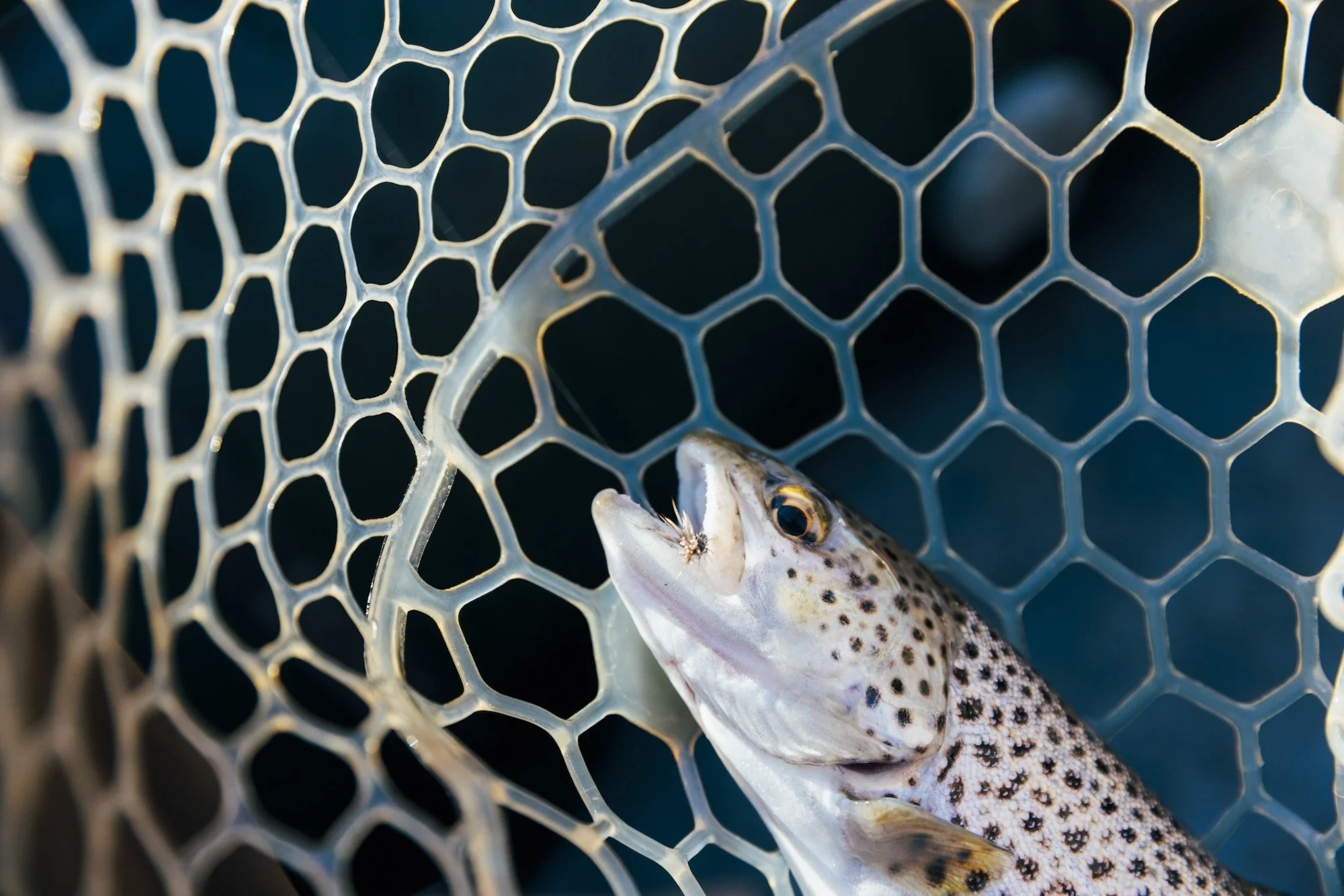
Black caddis dry fly eat on the Toccoa River.
Where to Fish During the Hatch
On the Toccoa River near Blue Ridge, focus on:
Tailouts below riffles
Softer seams along current edges
Inside bends with moderate flow
Foam lines where adults collect
As the hatch builds, trout often slide out of deeper winter holding water and into more accessible feeding lanes. That’s when surface activity becomes consistent and easier to target.
Is February a Good Time to Fly Fish in Blue Ridge, GA?
Absolutely.
When water temperatures approach 48 degrees and black caddis begin hatching, trout feed with purpose. Combined with lower fishing pressure and stable tailwater conditions, February can offer some of the most exciting winter fly fishing in North Georgia.
If you're planning a late-winter trip to Blue Ridge, timing it around the black caddis hatch can significantly increase your chances of seeing fish on the surface.
Book a February Fly Fishing Trip on the Toccoa River
The black caddis hatch typically lasts only a few weeks, and timing is everything.
Throughout February, I keep a close eye on river temperatures and conditions so we can be on the water when that hatch window is at its best.
If you’d like to experience:
February dry fly fishing
Rising trout on the Toccoa River
North Georgia’s best hatch of the year
When the black caddis hatch is on, it’s one of the best times of year to be on the water in Blue Ridge.